
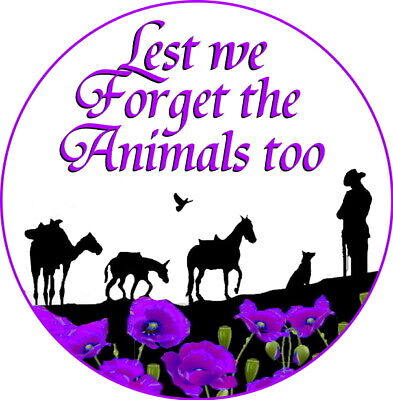
Remembrance Day is a time to reflect on the sacrifices
made for our freedom, and honour the brave men and women who have served, and
continue to serve, our country. But animals have also played a significant role
in many wars, and so we remember the countless military animals who have served
alongside humans in times of conflict.
Dogs have been used on the
battlefield over the years as messengers, locating and delivering first aid
kits to the wounded, detecting explosives, hauling equipment, and ratting. Horses
were essential for transportation and cavalry charges before automation, and
are still used by law enforcement agencies to gain a height advantage in crowd
control. Pigeons were trusted to carry messages over long distances, saving lives
by delivering crucial information. Even cats played their part, often serving
as rat-catchers on ships and in trenches, and as therapy companions or mascots.
There are many working
animals outside of the armed forces, trained to provide critical support in
healthcare and beyond. Service dogs perform a range of tasks for people with
disabilities or medical conditions: guiding the visually impaired; alerting the
hard of hearing to important sounds; warning of changes in the body signalling diabetes,
seizures, or allergens; and assisting people with mobility issues. Service dogs are
lifelines for those who rely on them for independence and daily living.
Medical Detection Dogs are
trained to detect certain types of cancer, such as prostate, breast, and lung
cancer, by sniffing out volatile organic compounds that are associated with the
disease. Early detection through dogs has the potential to save lives by
catching cancer at earlier, more treatable stages.
Search and Rescue Dogs use their
incredible sense of smell and agility to locate missing persons in challenging
environments, whether in disaster zones or dense vegetation.
Therapy animals are specially
trained to provide emotional support in various settings, including hospitals,
schools, and nursing homes. The simple act of petting a therapy animal has been
shown to reduce levels of cortisol and increase levels of oxytocin, which can
help ease feelings of loneliness and anxiety. My own dog, Rory, was a Pets As
Therapy dog and worked wonders with patients in an adult mental health unit. Horses
are also employed in therapeutic riding programs, helping individuals with
physical or emotional challenges develop coordination, balance, and confidence.
The bond between humans and
working animals is a special one, built on trust, loyalty, and mutual respect.
Their ability to perform complex tasks, use their heightened senses and natural
instincts, and offer emotional support, showcases them as partners in crucial
work which improves, and often saves, lives.
Lulu’s Pet Pantry is here to help you
treat your pets properly. Whether you’re looking to change their diet, reward
them with treats or toys, or provide supplements or grooming, come in store to
find everything you need to care for the animals who care for you. Open 9am-5pm
Monday-Friday, 9am-1pm Saturday, and 10am-1pm on the first Sunday of the month
for the Farmer’s Market at 3A Market Square, Winslow, in the little alley next
to The Bell.